Posts

Showing posts with the label healthy snack.

Make your food Healthy

Image
Paneer Cutlets Cutlets? Favourite? Fried? No no no. The third one absolutely untrue... This is one of the healthiest Indian starter option. Loaded with proteins and cooked with low oil. Absolutely not deep fried, but shallow fried with minimum oil. Ways to make normal cooking healthy? 1. replace potatoes with chick pea, paneer, or any other protein source that you like. 2. shallow fry instead of deep frying 3. serve with a hung curd dip with the flavour of your choice. You can replace your mayonnaise with hung curd. Your guests will definitely not miss the mayo!!  4. try to use specialty ingredients such as flax seeds, til seeds, ajwain, whole jeera etc, for two reasons. i. Added nutrients which we not think makes a difference, but it sure completely works for your body!! ii. For added flavour. Our palette loves the Indian flavor. The moment we use such ingredients, we feel the love of our mothers and as a result we may just happily eat more nutrition than ...

Reading Food Labels

Image
As we grow more and more aware of our body needs and upcoming healthy food products in the market, we tend to choose them without too much awareness about its truth. What you see is what you buy.  Products named "whole wheat", "oats", "high Fibre", "low fat", "zero cholesterol", "organic", "natural", "healthy" etc., have become a trend in the market. I can manufacture any product and market it the way I want and you are bund to buy them because I have caught your weak point and labelled it that way.  NO! Lets become more aware of the products.  1. Looking at the Nutritional Label:  The first thing you would at is the amount of calories. No. you may look at them but that is not the only thing you need to control or take care of! Look at more important things such as Proteins, Fibre and other micro nutrients such as vitmains, sodium, calcium, iron, etc. If they have mentioned these, means ...

How is chikki made?

Image
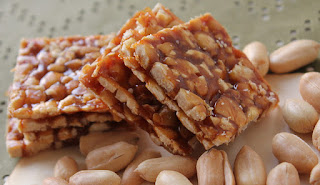
Chikki is a very common and most loved snack consumed by each and every household in India. It is a hard crack made of peanuts / ricepuff / til (sesame seeds) / Rajgeera or anything that one can think of, and jaggery / sugar. We all Know how is it made, and like my other articles, I will not mention the recipe here since its available all over the internet. What I will do is give you the basics and give you the science behind each step so that you can never go wrong with making chikki. Like I always emphasize on, cooking right is a science. If you know it, you are a Masterchef! So let’s get started. I’ve already told you the ingredients of making chikki. Lets jump on to the science and Know – How of making chikki. 1. Caramelization of sugar:  The first step we take in making a chikki is to caramelize the sugar or jaggery. However, using jaggery i sbetter than sugar since it contains micronutrients and added benefits which i shall enlist in the next article. Right now...

The science behind Dhokla

Image
Have you ever wondered why is there this particular texture of the dhokla?  Or have you wondered what makes the dhokla rise? Of course the soda or eno fruit salt that you add to it, but how does it function?   Have you ever wondered why are there holes in between the dhokla strands that you see?   Here I’m going answer these questions, which would help you find the science behind each and every recipe that you cook and will help you to master them.  Dhoklas are made of besan(roasted Bengal gram flour), sour curd/buttermilk, and eno fruit salt / baking soda. Each ingredient contributes itself to play a role in making the final dhokla that we see as an end result.  1. Besan :  besan is the  protein source  in the dhokla. Proteins when heated along with water (in this case buttermilk contains the required water content) starts to swell and therefore increases the mobility of dry protein content. This is why we get the texture and the mouth...