Posts

Showing posts with the label science

Bajra Papad - the Color Secret 
Image
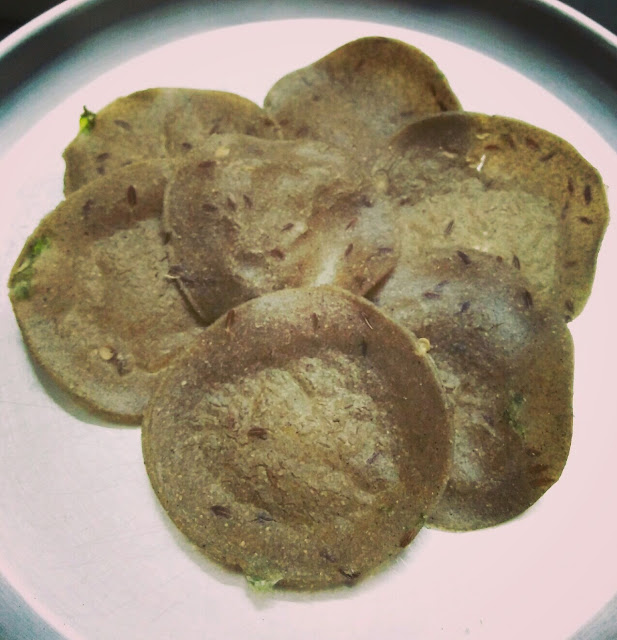
Okay so this somehow sounds boring… Bajra Papad??  Eeeuw… But no.. They taste really good.. And specially with the recipe that I’m going to provide here.  Yes, since this is a novel recipe and I myself couldn’t find the recipe online (an authentic one that worked well), I’ll be attaching the recipe without which explaining the science behind it wouldn’t be given justice.  So, bajra Papad Is made up of bajra flour and I have also added some rice flour to it for better consistency and taste.  Recipe:  Preparation Time: 5mins  Cooking Time: 5-6mins  Post cooking Time: 10-15mins  Drying Time: 4-5hrs (sun drying) Yield: 50g (No. Of Papad depends on the size)  With my size it yielded 15-20 papads.  Ingredients: 1+ 1/2cup (300ml)  water  1/2 cup (100ml/60g) bajra (pearl millet)  flour  1/2 cup (100ml/59~60g) rice flour  5g Ginger – chilli paste (3:2) 1/2tsp salt(t...

The Science Behind Khandvi

Image
Today, we consider the western foods to be great and yummy, and most preferred, but when it comes to the knowledge and science that goes behind the making of the traditional Indian foods, one might just fall for it all over again. Our grand parents and great grandparents might not have been as educated as we are, but they had way more knowledge and understanding of the foods they cooked everyday than we know of eating everyday. Today we shall discuss about khandvi, which is a native dish of Gujarat, India, where people love to eat the roasted gram flour rolls, spiced and flavoured. In Maharashtra, this dish is commonly known as suralichi vadi air patuli. Again, I would like to mention that I will not be providing any recipe as that is available on the web on numerous websites. Here we will talk about the uncommon. Khandvi is made up of a mixture of besan or roasted Bengal gram flour and buttermilk. Everyone knows that the cooking of this mixture is the most tricky and difficult part...

Mango Pickles - a need for taste or preservation for mangoes?

Image
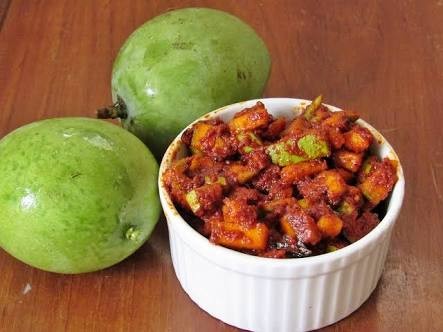
Day in and day out, each Indian adds flavour to his meals by including pickles, commonly known as achaar. But, ages back, was the pickle made to add variety to the meals or as a simple method of preserving fruits and vegetables?? In the era of old age, when people did not have access across the globe, the Indian farmers felt the need to preserve the extra stock of mangoes that grew in India. It came as a preservation method to avoid wastage of food for efficient food management. Also, being a seasonal fruit, the discovery of preservation methods, gave the added advantage of availability of the fruit throughout the year, in the off seasons. Mangoes are an Indian favourite and is known as the king of fruits! And we Indians convert this fruit into various other forms and enjoy it's lavishness throughout the year! But now, let's have a look at the different forms of pickled mangoes and the science behind each. Today, since pickling has become a business to earn extra profits, S...

The Upma Science

Image
Early morning when you run late for office or you have to prepare a quick breakfast for your husband or family, what do you make? Probably an upma? Why? Simply because it's easy and fast.. But ever wondered why does it become a solid - like mass when it cools? Or have you ever noticed that even though the entire upma is coalesced together, every grain of upma retains its individual existence?? Yes, that happens... And yes, there is science behind this simple dish prepared by Indians all over the world.. Upma is cooked by basic 3 ingredients. Semolina or suji, ghee and water. The recipe shall be available everywhere on the web, and so I'd only focus on the science involved in the recipe. 1. ROASTING : The first crucial step in making upma is roasting the Suji or semolina. Why? Suji is roasted with a little amount of fat so that each grain is separated and coated with fat. This is done to avoid lumping when the water is added. Also, in this way, each starch(suji) grain will...